Machine catalog & sourcing notes
These are the most requested machine families across forging and die casting programs. Each request is tailored to alloy, part geometry, locking force/tonnage, automation, and utilities.
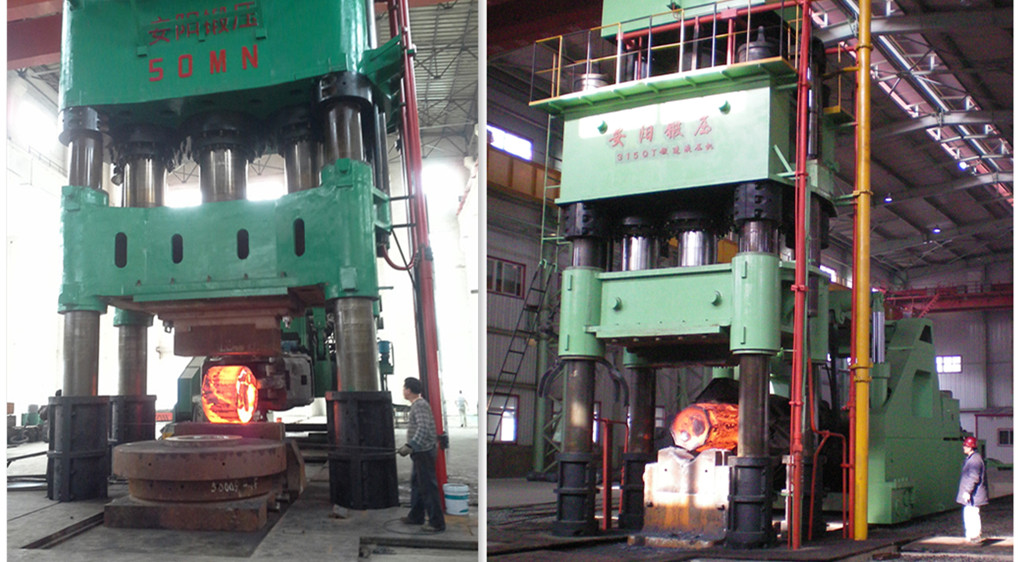
Heavy-duty hydraulic presses engineered for hot and warm forging operations, offering controlled force application and consistent deformation for precision components.
Highlights
- Wide tonnage range availability
- Programmable pressure and stroke control
- Robust frame for continuous industrial use
Typical use cases

Precision hydraulic presses designed for flash trimming and finishing operations after forging or casting processes.
Highlights
- High rigidity construction
- Accurate trimming force control
- Suitable for automated lines
Typical use cases
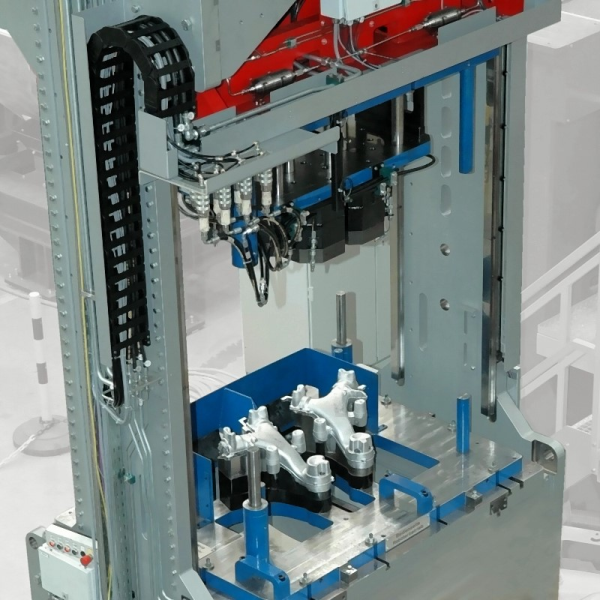
Hydraulic presses developed specifically for trimming and deflashing aluminium and zinc die-cast components.
Highlights
- Fast cycle operation
- Consistent trimming accuracy
- Designed for high-volume production
Typical use cases
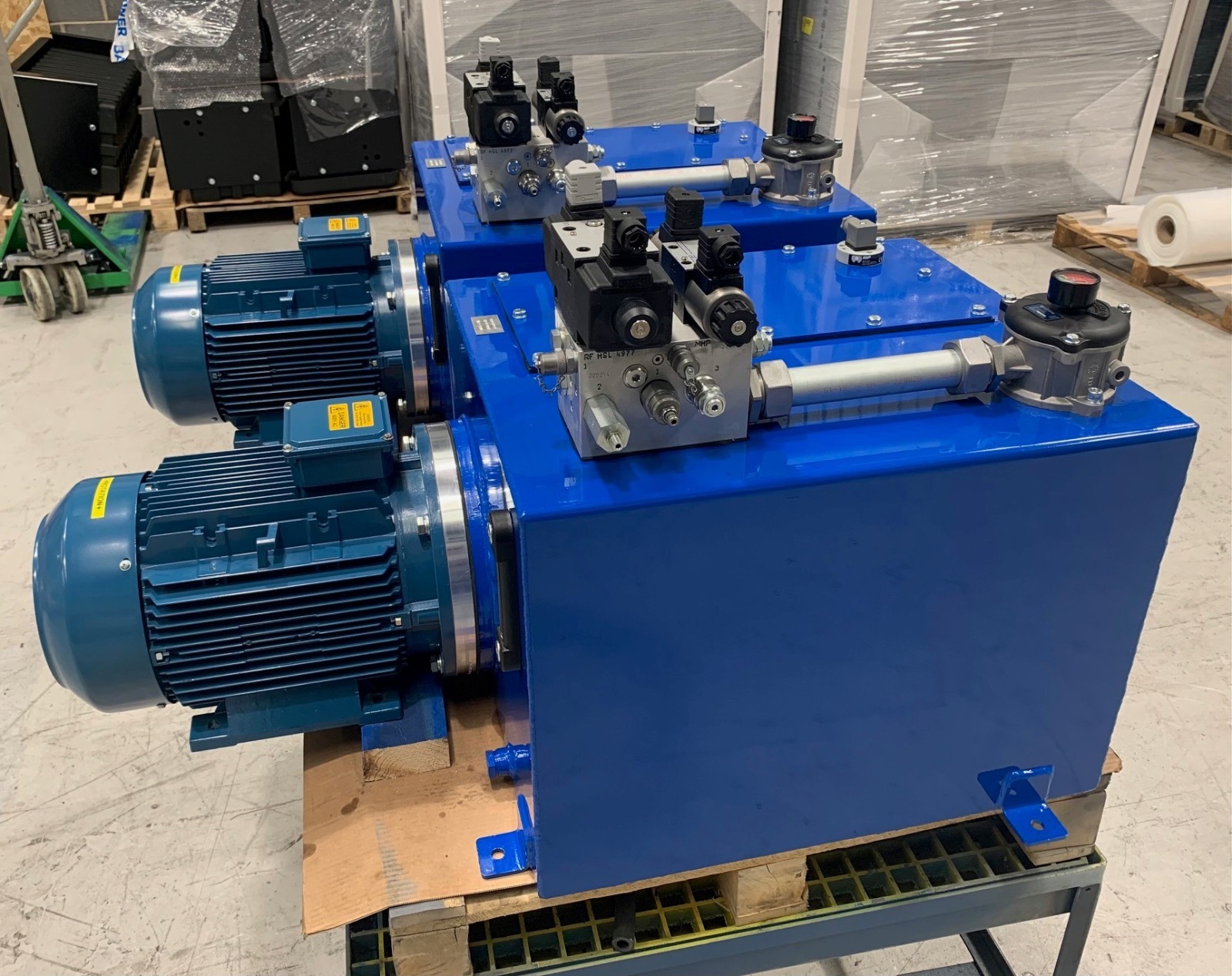
Custom-built hydraulic power pack units supplying controlled hydraulic power for presses, automation systems, and industrial machinery.
Highlights
- Custom pressure and flow configurations
- Energy-efficient design
- Industrial-grade components
Typical use cases

High-performance hydraulic cylinders designed for heavy-load applications across forging, molding, and industrial machinery.
Highlights
- Custom bore and stroke options
- High load-bearing capacity
- Durable sealing systems
Typical use cases
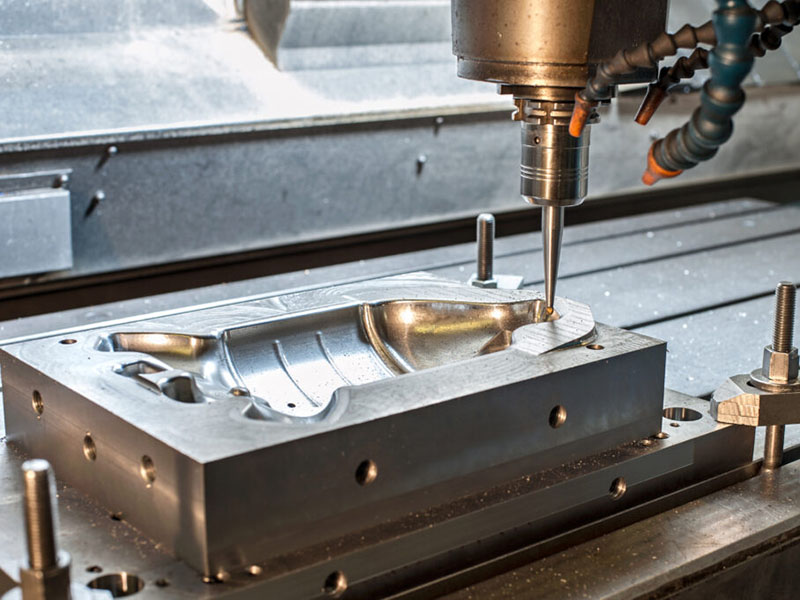
Precision-engineered forging dies and tooling solutions designed to ensure dimensional accuracy and long service life.
Highlights
- Application-specific die design
- High-strength tool steels
- Optimized for longer die life
Typical use cases

Essential hydraulic spares and wear parts to support preventive maintenance and minimize production downtime.
Highlights
- OEM-compatible components
- High wear resistance
- Quick replacement support
Typical use cases
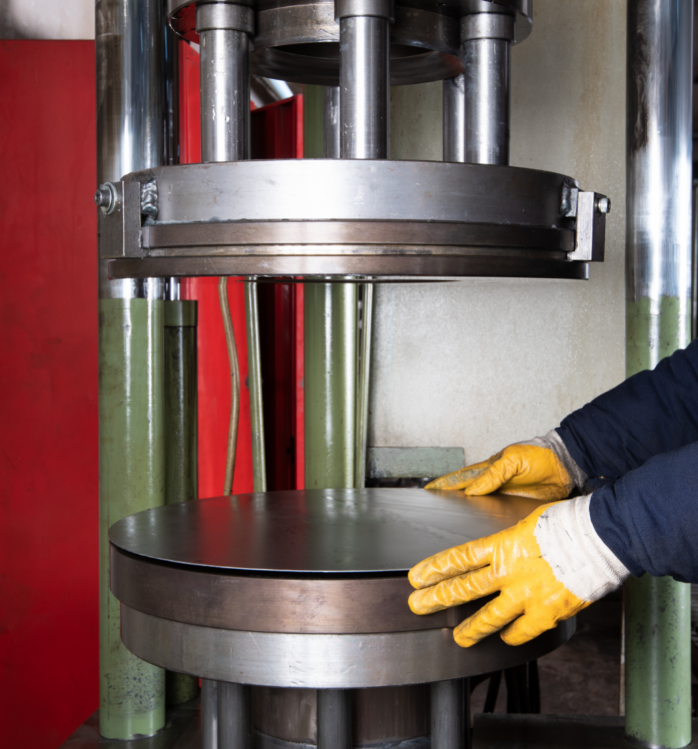
General-purpose hydraulic presses used across forming, bending, straightening, and assembly operations in industrial environments.
Highlights
- Multi-application usability
- Stable hydraulic control
- Industrial-duty construction
Typical use cases

Hydraulic presses used for compression moulding of rubber, plastic, and composite components.
Highlights
- Uniform pressure distribution
- Reliable mould closing force
- Consistent cycle performance
Typical use cases

Hydraulic presses designed for deep drawing operations to form sheet metal into complex shapes.
Highlights
- Smooth drawing control
- Reduced material stress
- Suitable for sheet metal forming
Typical use cases
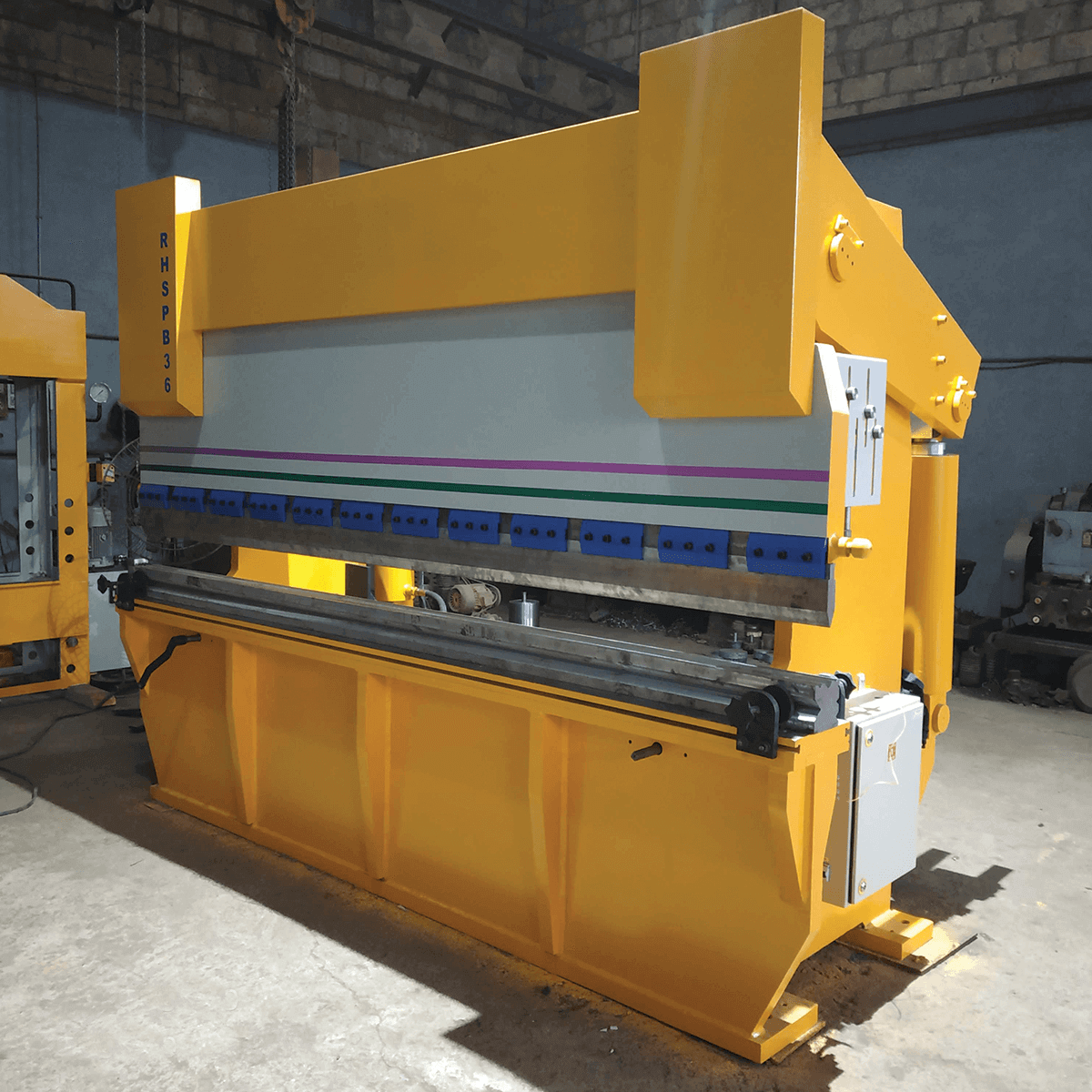
Hydraulic press brakes used for precise bending and forming of sheet metal components.
Highlights
- Accurate bending control
- Heavy-duty frame
- Consistent angle accuracy
Typical use cases
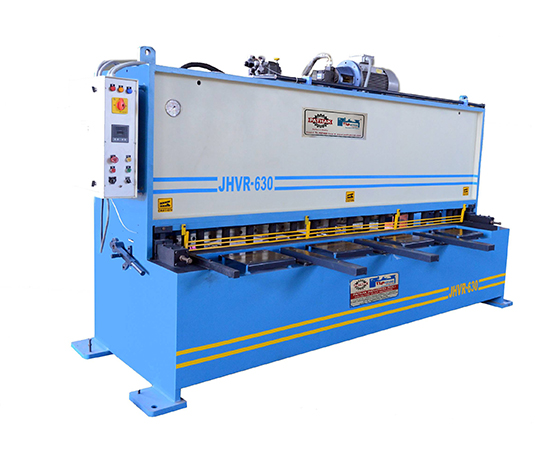
Machines used for accurate cutting and shearing of metal sheets in fabrication workshops.
Highlights
- Clean cutting action
- High operational safety
- Reliable hydraulic system
Typical use cases
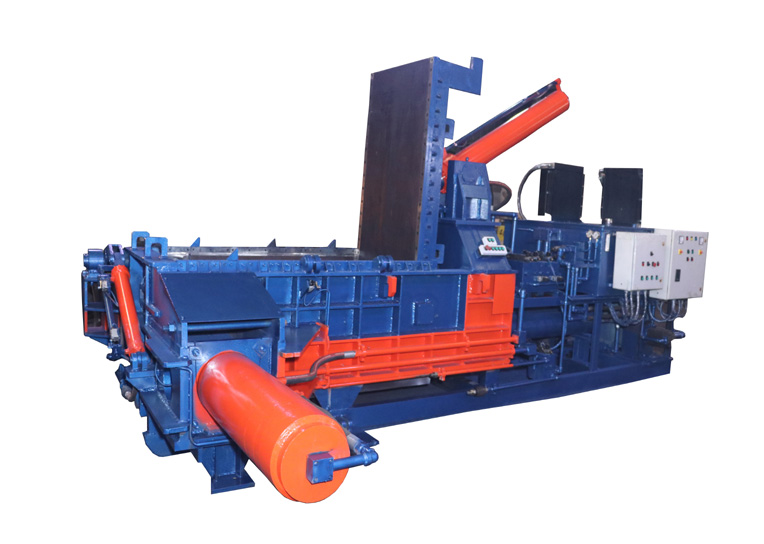
Hydraulic presses used for compressing metal scrap into compact bales for recycling and transport.
Highlights
- High compression force
- Reduced scrap volume
- Suitable for heavy scrap handling
Typical use cases